
THE “WEAK AND WEARY” NO MORE

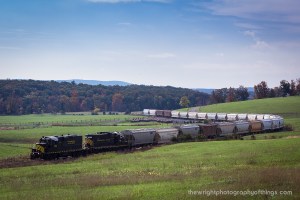
One of my favorite rail lines to photograph is the local short line, the Winchester and Western. Since it’s birth, the line became known by locals as the “Ole Weak and Weary” in part due to the fact the original mainline between Gore, VA and Winchester, VA contains many steep grades and twists and turns in its very short 15 mile trek through the Northwestern Virginia rolling hills and valleys and rarely goes beyond ten miles per hour. Today, it is a regional shipper and gaining traction as new business’ come online.
The W&W was chartered in 1916 as a logging line and later used by retreat vacationers in the mountains of Virginia and West Virginia. The line stretched from Winchester to Wardensville, WV and originally was named the Winchester and
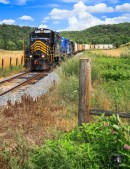
Wardensville Railroad. The majority of the steam power was bought second hand off the Baltimore and Ohio Railroad and was a thriving freight operation until the 1930’s when the Great Depression gripped the nation. The track was shortened in 1934 to Rock Enon Springs and passenger service to Capon Springs ended. In 1944 the line was cut

again, this time to Gore, VA and has been the western terminus since. The railroad scrapped it’s two steam locomotives and dieseled in 1952. Unimin purchased the railroad in the late 1970’s to ship the sand from it’s Gore mine and upgraded many bridges and rails along the mainline.

The W&W saw limited use in the 42 years shuffling sand to Winchester as it stayed tucked in the hills while railroading transformed as time progressed. The B&O turned into Chessie and then CSX. The Pennsylvania Railroad to Penn Central and then Conrail.
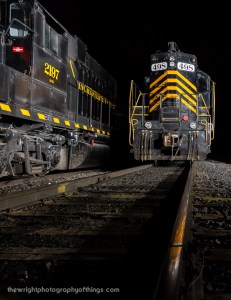
In 1986 the railroad grew exponentially. It purchased the Conrail line from Hagerstown, MD to Winchester bringing the length of the line through three States, approx fifty miles of rail and provided another avenue to ship via Norfolk Southern. The railroad also purchased a small segment of a Conrail line in New Jersey thus creating two divisions (the Virginia and New Jersey).
Business continues to grow along the W&W Virginia Division. A recent branch into the former Essroc quarry at the south end of Martinsburg entails daily switching. A Procter and Gamble plant is due to come online which could double the online freight with an estimated 3,000 carloads once the plant is in full operation. The “Ole Weak and Weary” is no more and has become a force to be reckoned with in the Mid-Atlantic.
EDIT NOVEMBER 2020—————————
In September of 2019 the railroad was purchased by Omnitrax, a transportation holding company based in Denver, Colorado. It primarily owns and operates railroads, with a network of 21 regional and shortline railroads in 12 U.S. states and three Canadian provinces. Since that time the parent company has made some changes to the operations in the VA Division. Most notably, the cessation of the older GP9 and GP10 models and shipping those units to other OMTX properties.
TIME STANDING STILL
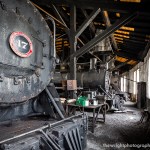
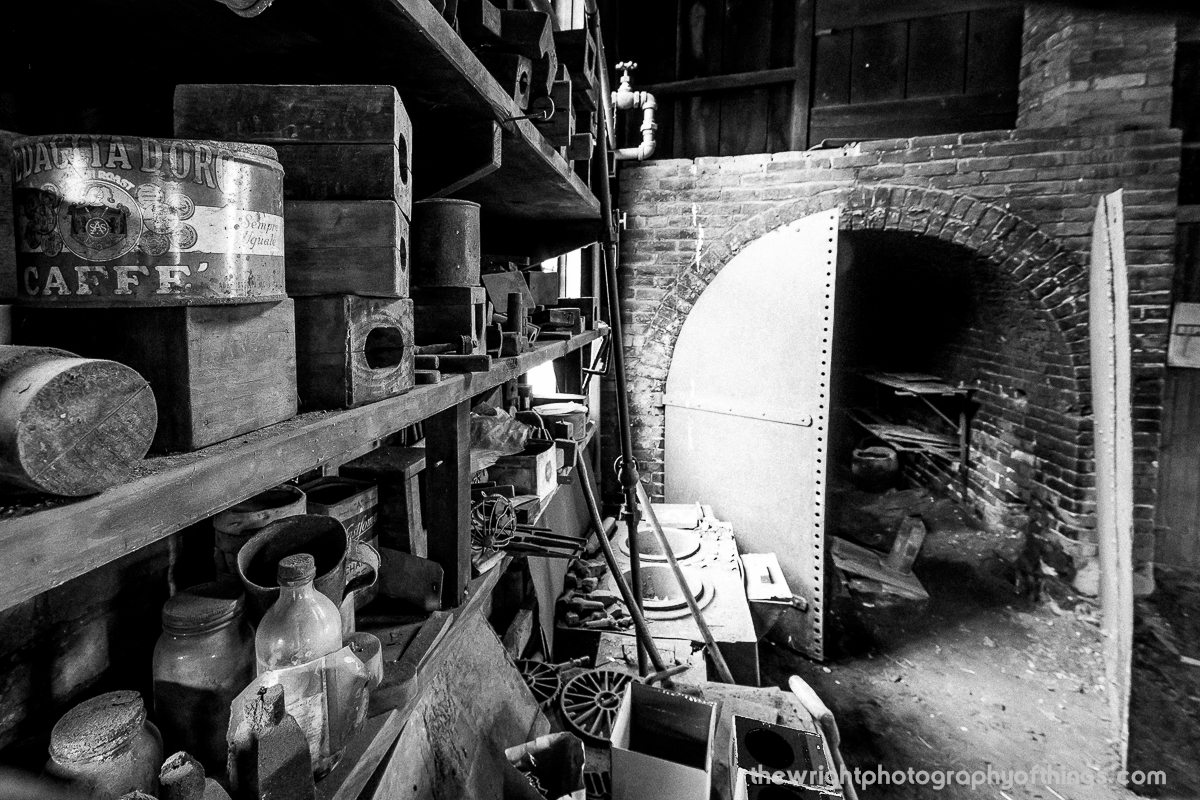
Blacksmith’s Shop
It’s not often you get to step through a door and find yourself in a place time has forgotten. That door you just passed through acts as a time machine from a place where smartphones, computers take center place in culture to a time before the “Space Race” with technology of the turn of the 20th Century.
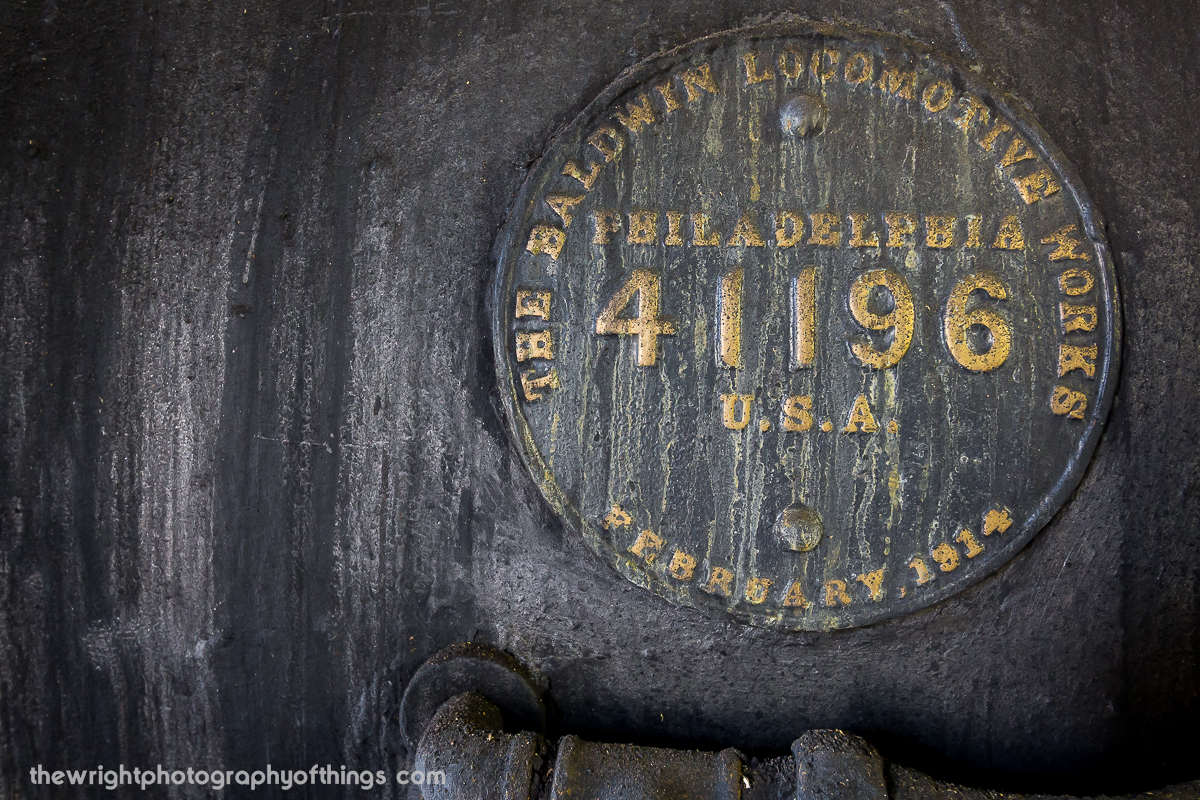
Builder’s Plate for EBT 15
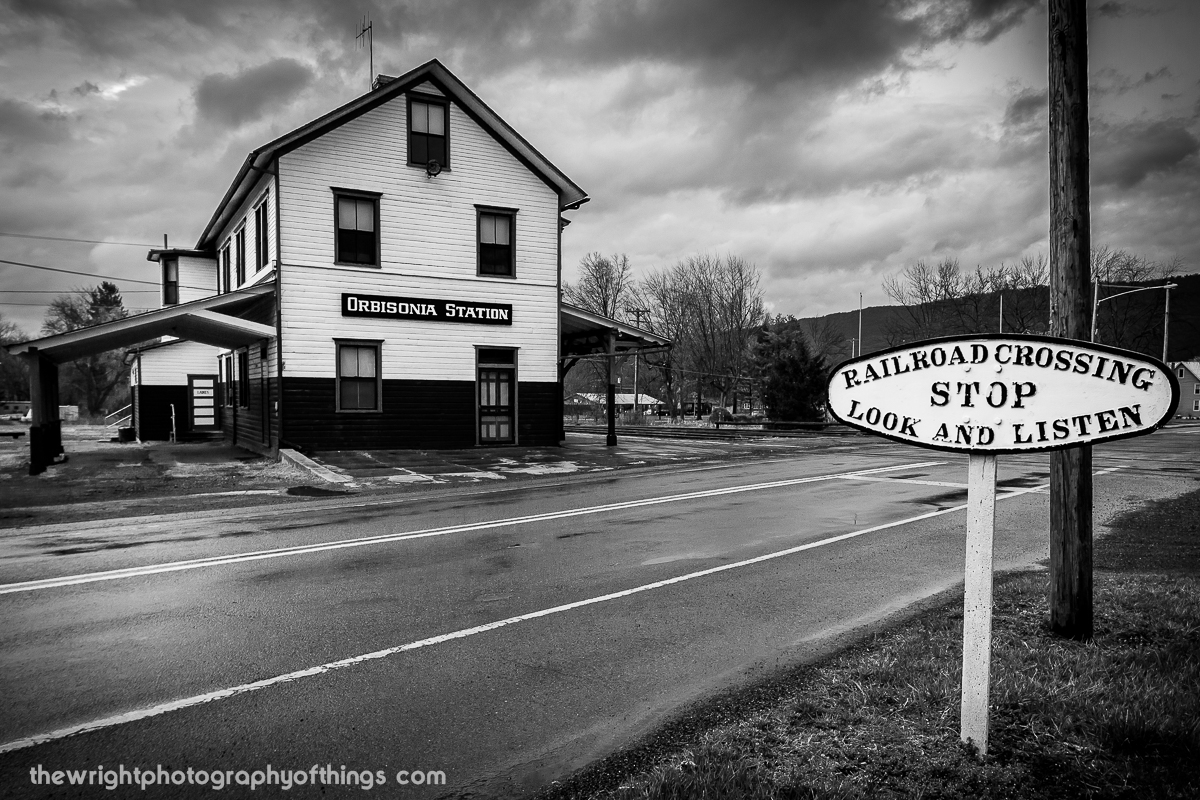
Welcome to the shops and roundhouse of the East Broad Top Railroad. The last narrow gauge (3 foot) railroad to survive in the East. It’s located in the hills and valleys of South Central Pennsylvania in the dual towns of Orbisonia and Rockhill in Huntingdon County. The railroad’s charter dates back to before the Civil War but construction didn’t start until the 1870’s. In it’s heyday,

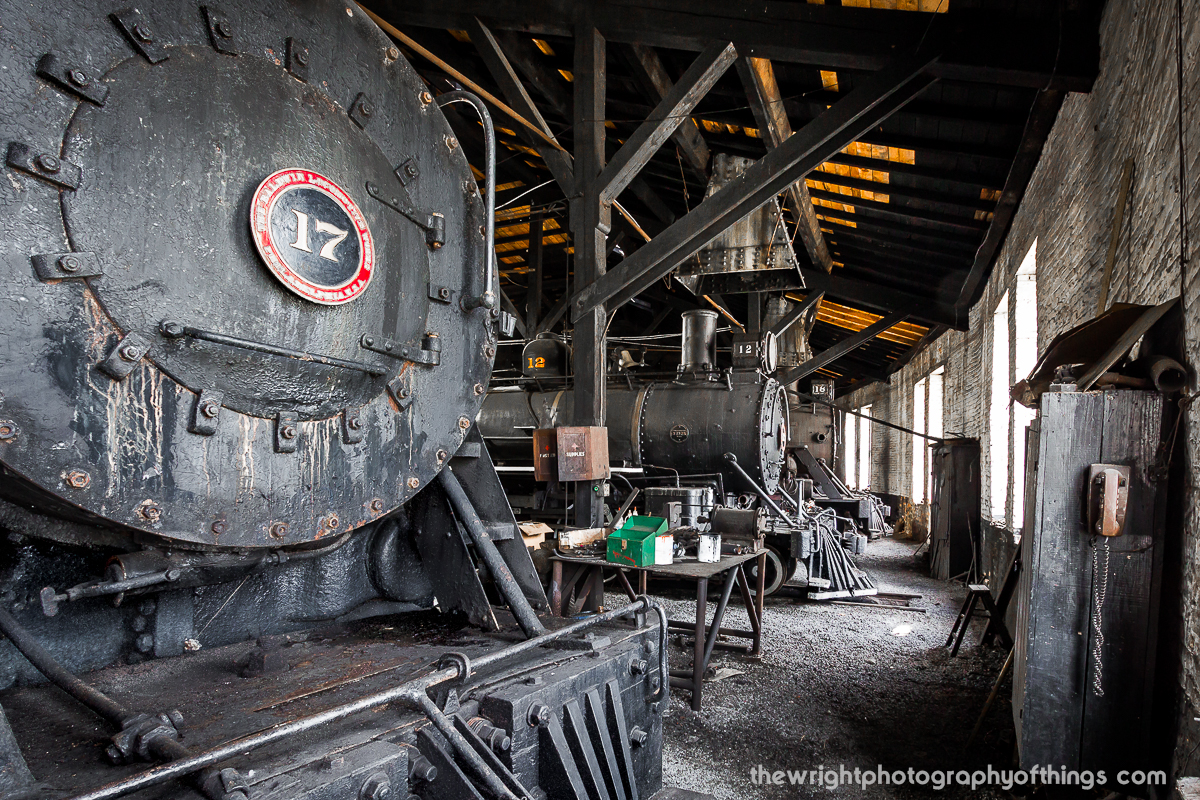
Inside The Roundhouse
“Easty” as the railroad is known by to its employees and fans alike hauled some of the most expensive semi-bituminous coal from the east slope of Broad Top Mountain along it’s 33 mile long mainline through the towns of Robertsdale, Satillo, Three Springs, Shirleysburg and of course Rockhill to Mount Union, PA where it interchanged with the Pennsylvania Railroad. Timber and ore from the region also made up significant car loads. Finally, in 1956 after a decade of decline, the road ceased all operations and was purchased by a scrap dealer by the name of Nick Kovalchick.
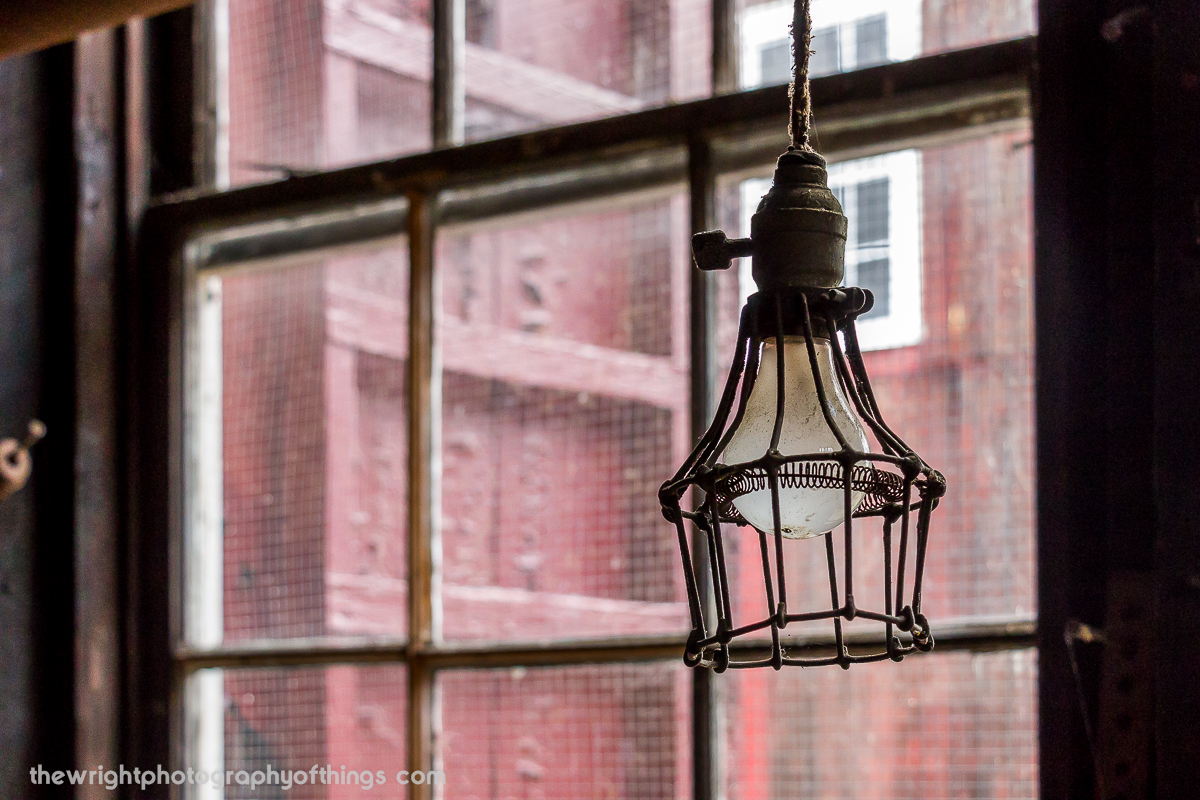
Four years later in 1960 Orbisonia town leaders asked Mr. Kovalchick about setting up an engine for display along the parade route for the towns bicentennial. Instead, four miles of track from town north to Colgate Grove were cleared and excursions made available. Thus began a new chapter in the life of “Easty” and tourist operations ran until the end of the 2011 season.

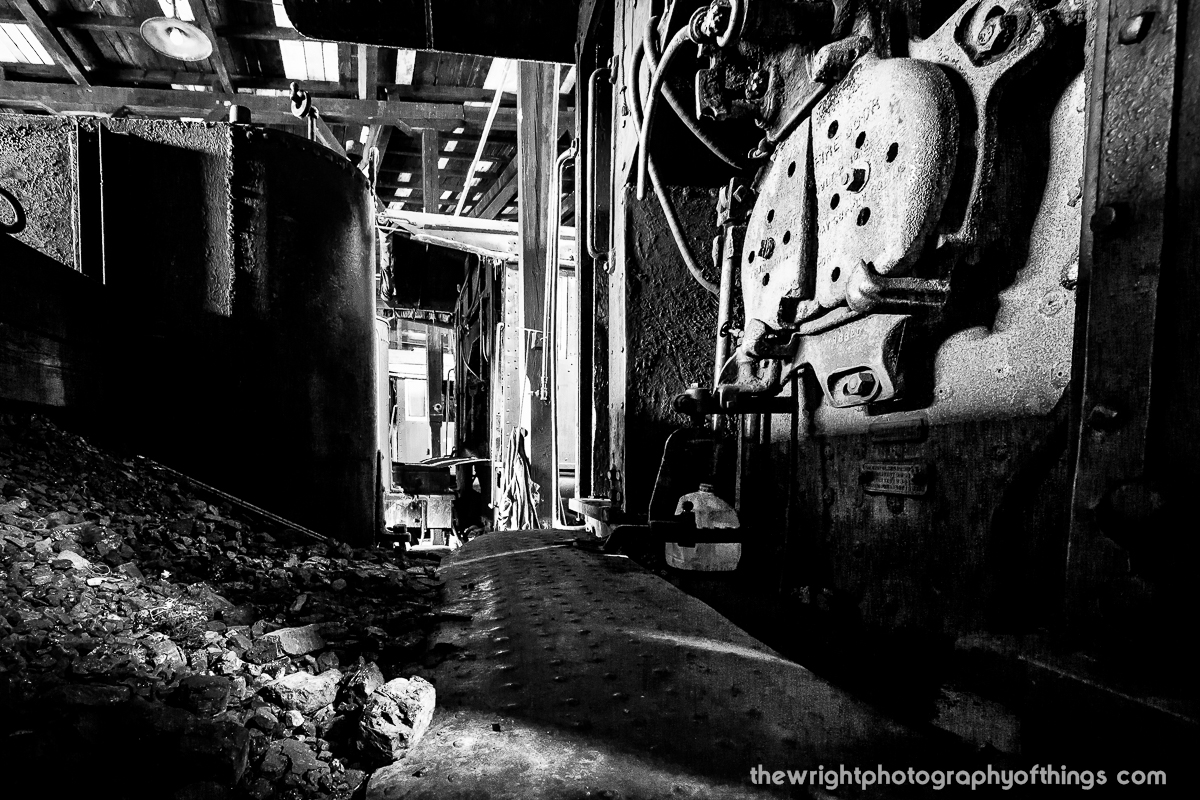
Inside the Cab of EBT 12 aka “Millie”
Now, except for the prominent “Friends of the East Broad Top” (FEBT) volunteers who help keep up the complex with the restoring of cars and buildings and the occasional maintenance of the grounds by the Kovalchicks, the shops sit silent and still. Four of the Six 2-8-2 Baldwin Mikados sit in the roundhouse ready for their next call to fire up and spin on the turntable outside the roundhouse and lead a train of tourists north.

Wheel sets with some dating to the 1860’s
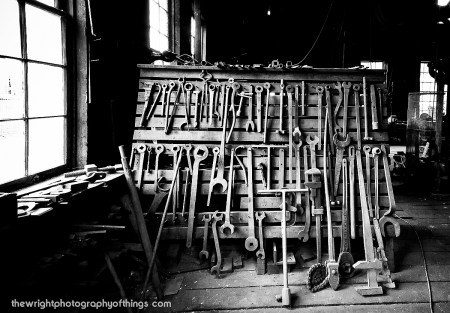
Need A Wrench?
The shops and roundhouse are in fact a place where one can see firsthand how the railroad was self sustaining itself by evolving through time. Machine settings and hand tools lay as if an employee in 1956 last set it. Venture outside and you will find wheel sets sitting unused in the grass or a string of coal hoppers sitting in place as nature slowly reclaims its turf. It is truly an amazing sight to see 60 years after the railroad ceased to be a common carrier.

The enginehouse in Mt. Union,. PA which to this day houses EBT’s standard guage 0-6-0 #3 locomotive since it last turned a wheel on April 16, 1956
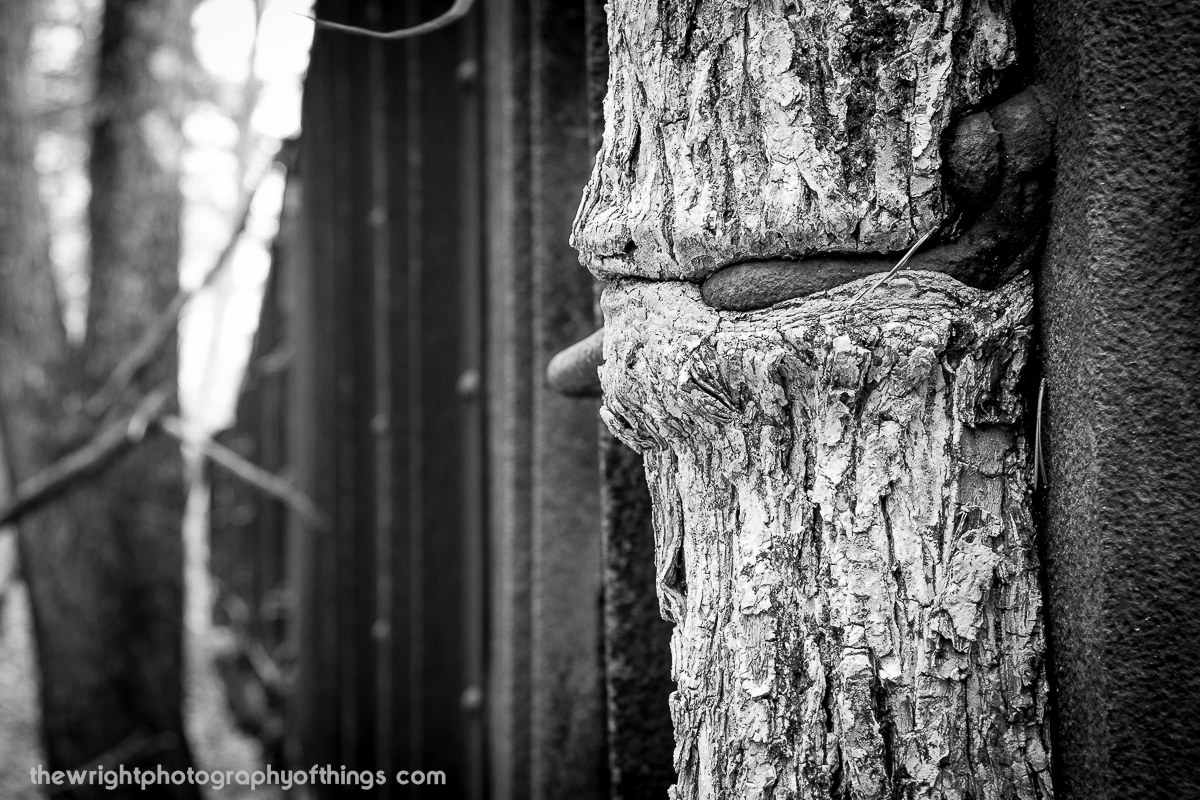
Reclamation of hoppers in Rock Hill that haven’t moved in 60 years
For more photos please see the East Broad Top Railroad Gallery
CAROTHERS


 The Wright Photography of Things